A Practical Guide to Linen Weaves: What Each Fabric Teaches Your Bed
Explore the core linen weaves used in premium bedding and how they influence texture, durability, and comfort. This guide translates technical loom terms into actionable insights for selecting sheets and duvet covers from trusted brands like Naturepedic, Coyuchi, and Sferra.
Textures that Tell a Story: Plain Weave, Twill, and Honeycomb
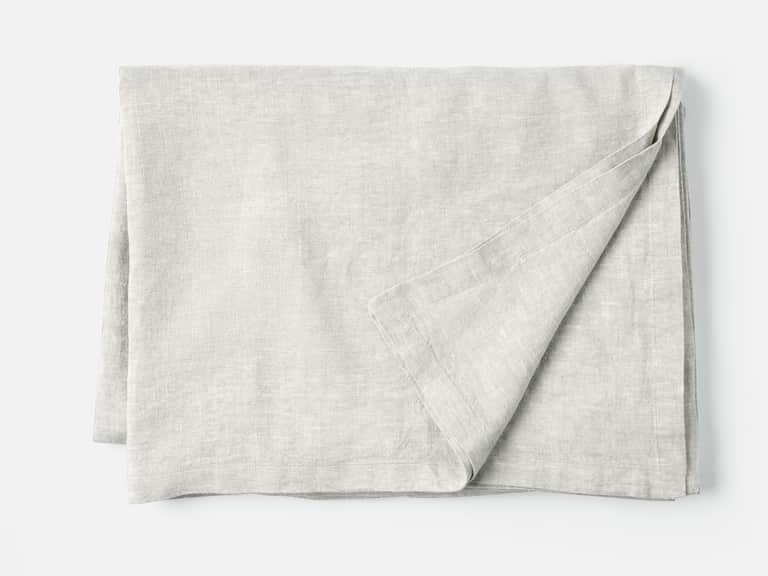
Linen, long celebrated for its breathability and tactile calm, reveals its character through the weave. The plain or flat weave is the most elemental expression of linen: even, balanced, and crisp. It offers a cool, direct hand that responds to temperature with honesty—cool to touch in summer, yet capable of gathering warmth in a room’s shadowed corners. In bedding, this weave presents a clean, almost architectural surface. The plain weave is a faithful baseline: it invites you to layer a duvet or a throw without competing with other textures.
Twill, with its diagonal ridges, introduces a quiet gravity to linen. This weave subtly skews the light, creating a depth of texture that reads as refined yet unshowy. Twill linen compounds durability with a slightly denser hand; it drapes with a soft, knowing weight that makes a bed feel anchored. In practical terms, twill weaves may resist wrinkling a little better than plain weaves, while still offering the linen breathability you expect.
The honeycomb or stacked weave is a more complex structure, yielding a bolder texture and a tactile grid that can feel both airy and substantial. Honeycomb linen tends to read as contemporary yet timeless, a bridge between minimalism and rustic warmth. It’s the sort of weave that rewards attention to care: finished textures and stone-washed surfaces often accompany honeycomb fabrics, lending softness without sacrificing the fabric’s inherent body.
The decision among plain, twill, and honeycomb weaves is less about rank than about mood. A cool, crisp night can be matched with a plain weave for a neat bed; a twill linen may add a touch of coziness to a coastal retreat; a honeycomb weave can ground a visual narrative of texture for a sunlit room that earns quiet admiration each morning.
Care, Temperature, and Texture: Translating Loom Talk into Everyday Life
Weave choice governs more than appearance. It guides performance: how a fabric feels against the skin, how it breathes with your body heat, how it ages through washes. A lighter plain weave tends to feel crisper and cooler on the skin, which can be preferable for warm sleepers or humid climates. Denser weaves, including some twill iterations, can provide a slightly warmer hand and greater durability—useful for those who want a sleep surface that remains consistent as the nights turn cooler.
The care cycle for linen weaves—whether plain, twill, or honeycomb—often centers on preserving texture and avoiding harsh chemical treatments. Stone-washed finishes, common in Coyuchi and Libeco lines, impart a relaxed softness that preserves the fiber’s natural grain. This texture benefits from gentle routines: cool or lukewarm washes, minimal agitation, and air drying when possible. When heat is necessary, a medium setting and prompt removal can help prevent over-drying, which can make any linen feel brittle rather than supple.
It’s worth noting how different brands communicate care. A Naturepedic organic linen sheet, for instance, emphasizes the balance of softness and breathability—an outcome of both fiber choice and weave. Coyuchi, with its organic relaxed linen, often leans into a washed hand that reads as lived-in and comfortable from the first night, a texture that invites sleep rather than pretension. Sferra, while known for luxury, frequently showcases a denser weave that supports both warmth and a refined drape—again, a reminder that weave and finish are not just decorative choices but practical ones.
For those learning to read a textile label, look for evidence of weave type in the fabric’s description and succession of finishes: stone-washed, mercerized, or “loose weave” descriptors often hint at intended texture and care. Weave choices also influence how linens pair with other bedding elements: a plain weave sheet may harmonize with a patterned duvet cover, whereas a honeycomb weave can bring a quiet structural note to a minimalist palette.
Brand-Case Studies: How Weave Shapes Real-World Comfort
Brand narratives in premium linen bedding often foreground weave as a core differentiator. Consider Naturepedic’s organic linen sheets: their description foregrounds breathability and a natural temperature balance. This is not merely about comfort; it is about an experience of being in a room that breathes with you. The texture becomes part of the sleep ritual—the linen surface inviting a calm, almost ritual-like approach to turning down at night.
Coyuchi’s relaxed linen lines push the temperature-regulating properties of flax fiber into daily life. The relaxed hand suggests ease and longevity; there is a sense of a fabric that softens with use, a tactile promise that the sheets won’t demand constant shaping or ironing. This aligns with a broader design language: a coastal, light-filled interior where textiles are part of the air you breathe.
Sferra’s linen ensembles, often associated with refined luxury, remind readers that weave can be a marker of prestige as well as function. The balance between softness, drape, and resilience speaks to a design ethos that values heritage craft while embracing contemporary aesthetics.
Across these examples, the thread is clear: weave choices shape not only texture but the sensory rhythm of a bedroom. When choosing bedding, readers can translate loom language into practical questions: Do I want crispness or softness? Do I prefer a heavier hand that holds its own in a cooler climate, or a lighter, more breathable surface for summer? How much care am I willing to invest to maintain texture and integrity over time?
Historical and Craft Insights: Linen Weave as a Design Language
Linen, with its long history in European textile traditions, carries a cultural memory across generations. The plain weave has been a practical standard for centuries, while twill and honeycomb reflect evolutions in loom technology and finishing practices. Today’s mills—whether in Belgium, Portugal, or France—interpret these techniques through modern production demands, balancing sustainability with tactile richness.
This lineage matters in a room’s language. A bed dressed in linen with a plain weave may imply a minimalist, Scandinavian-inspired calm; a bed adorned with a honeycomb weave could signal a more tactile, artisanal warmth. The weave becomes a storytelling device: a quiet nod to a tradition of craft that values fiber quality, meticulous finishing, and the patience of a process that respects both the sleeper and the seamstress.
As readers encounter linen histories—whether through museum catalogs, mill profiles, or design histories—the weave becomes a lens through which to view the broader design culture. It invites us to consider not only what we sleep on, but how the fabric’s geometry reflects a way of living: unhurried, thoughtful, and tuned to the natural world.
A Design-forward Guide: Pairing Weaves with Room Styles
Coastal interiors often rely on linen to convey airy texture and cool tactility. A plain weave linen sheet, paired with a white duvet cover and a textured throw, can create a serene, sun-kissed atmosphere that feels effortless. The interplay of light and the fabric’s natural grain invites you to slow down, to notice how the fabric catches a breeze through an open window, to observe the subtle changes as the day fades.
For a modern-minimalist space, a honeycomb weave can add a deliberate texture without overpowering the simplicity of the palette. Its less-polished surface can read as intentionally tactile, giving the bed a grounded presence amid clean lines and restrained color.
A traditional or transitional room benefits from a twill linen’s understated depth. The diagonal texture introduces a gentle movement that complements other natural materials—wood, wool, and stone—creating a layered, harmonious environment.
In all cases, consider the bedding’s performance in relation to the room’s climate. Linen’s breathability remains its most valuable attribute, but weave choice helps determine how that breathability feels on the skin. The goal is a bed that feels studied, not engineered; textiles that whisper rather than shout, inviting nourishment and rest.
Glossary of Key Terms: A Quick Reference for Linen Weaves
- Plain weave: The simplest weave, where the weft passes over and under the warp in a regular 1:1 interlacing. It yields a crisp surface with high breathability.
- Twill: A diagonal weave formed by skipping multiple warp threads before the weft passes through, creating a diagonal pattern that softens wrinkles and adds drape.
- Honeycomb (sateen-like or grid weave): A textured weave producing a raised, grid-like pattern that delivers depth and a tactile hand.
- Stone-washed: A finishing process that softens the fabric and reduces stiffness, enhancing comfort and a lived-in hand.
- Mercerized: A chemical finishing process that increases luster and strength, often used in cotton-rich blends rather than pure linen.
- GOTS: Global Organic Textile Standard, indicating a high level of organic fiber processing and social/environmental criteria.
- Breathability: The fabric’s ability to allow air and moisture to move through, critical for temperature regulation during sleep.
Practical Tips: Reading Labels, Setting up, and Care Routines
When selecting linen bedding, read beyond color and weight. Look for details about the weave, fiber origin, and finishing processes. If a sheet set is stone-washed, embrace the idea that the texture will continue to evolve with each wash. For those who value environmental responsibility, GOTS certification is a helpful signal, ensuring that the fiber’s journey—from raw flax to finished fabric—aligns with recognized standards.
Practical care: wash linen in cold to warm water with a gentle cycle, avoid aggressive spin cycles, and dry on a low heat or line dry when possible. Remove promptly to minimize wrinkles and maintain the fabric’s natural luster. If you iron, use a moderate temperature while the fabric is slightly damp to preserve the weave’s character without flattening the texture.
Selection and maintenance are not merely about cleanliness; they shape the sleep experience. Linen, with its natural patina built through use, offers a sense of age and wisdom in a modern room. It’s the kind of fabric that rewards patience and a gentle touch, much like the rooms it helps to dress.
Product Context: Real-world Linen Options You Might Encounter
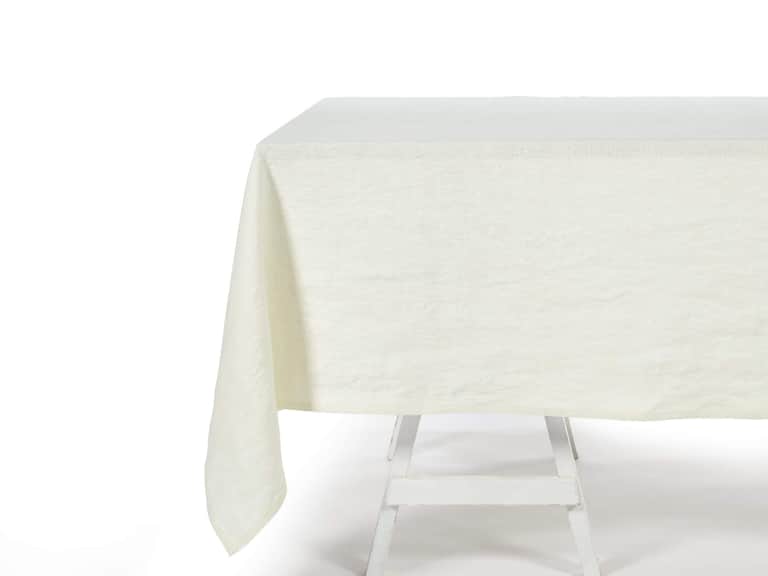
The article’s weaving focus naturally leads to tangible examples, such as the Hudson Tablecloth from Libeco, which embodies the Belgian linen tradition with a stonewashed finish that makes the table feel both formal and welcoming. While this guide centers on bed textiles, the same weave principles apply across linen tableware and other household textiles, reminding us that linen’s appeal lies in a shared language of texture and durability.
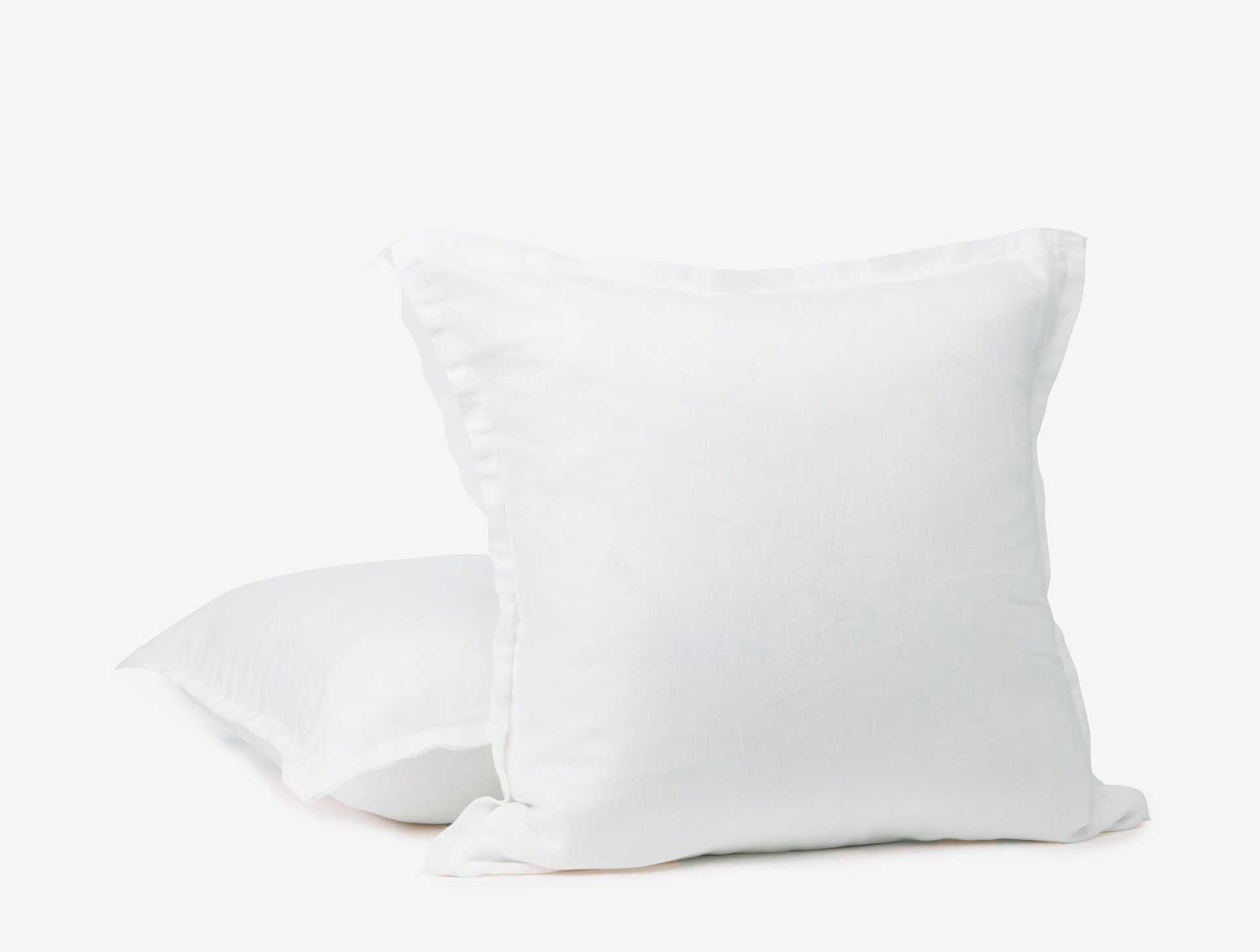
For beds, consider a sheet set in 100% organic linen from established mills that emphasize European flax and careful finishing. A relaxed linen sheet with a gentle stone-washed hand can be transformative in a bedroom designed around easy, daily luxury.
In this article, we do not endorse specific brands exclusively; instead, we reference the kinds of features that define good linen bedding across reputable lines. If you seek concrete examples to explore further, consult product pages that detail weave, fiber origin, finishing processes, and care instructions, and compare how each brand describes the experience they promise.
Note: This article references general industry characteristics and examples from brands known for linen bedding. For shopping decisions, verify product specifications, certifications, and the latest care recommendations from the manufacturer.